How SEO Helps Businesses Grow in 2026 (Simple Beginner Guide)

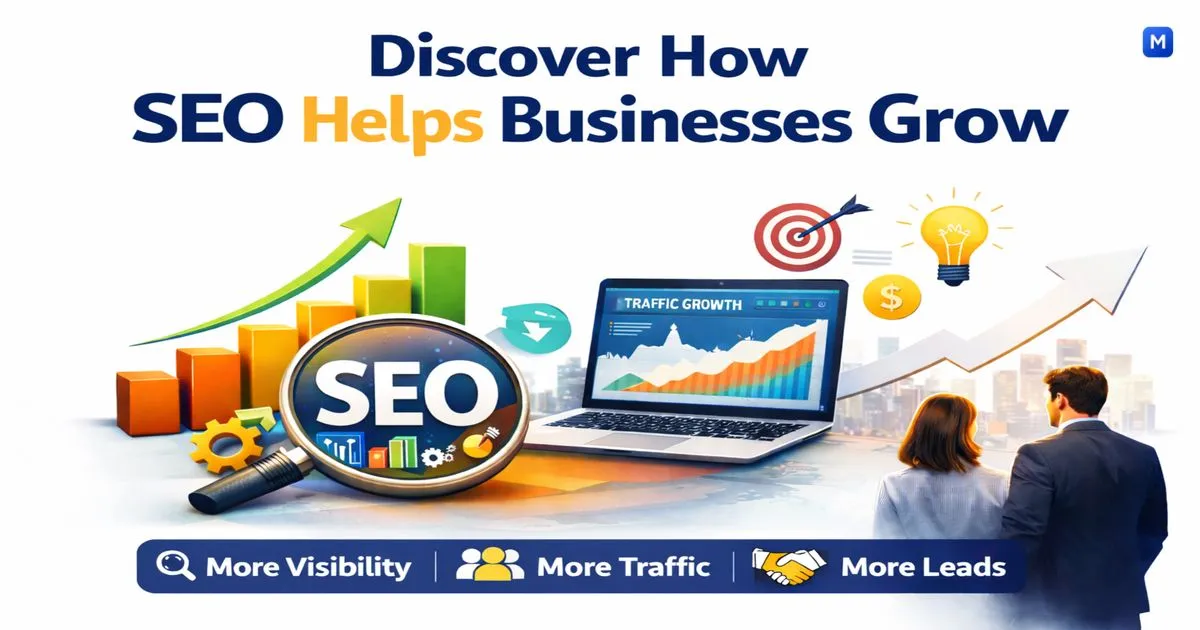
Many business owners come to me after building a website and waiting for leads to roll in, only to see little or no results. In my experience, SEO helps businesses grow when it makes a company visible where potential customers actively search for solutions.
That is where SEO helps. I use SEO to improve search visibility, attract qualified traffic, and help businesses appear when people actively search for their products or services. Businesses that want structured long-term growth often invest in professional SEO services instead of relying on trial-and-error tactics.
In 2026, SEO goes far beyond traditional rankings. Google now surfaces businesses through AI Overviews, voice search, and multiple discovery platforms. If your business does not appear across this evolving search landscape, your competitors will win the attention and leads you could have earned.
What Is SEO and Why Does It Matter for Business Growth?
Many business owners think SEO is a technical trick. In my experience, SEO is simply the process of helping your business appear when people search for solutions online.
When your website is optimized properly, search engines can understand your content and rank it for relevant searches. As a result, your business gains visibility, attracts qualified traffic, and creates more opportunities to generate leads.
SEO works by helping search engines:
- Discover and crawl your website
- Understand what your pages are about
- Evaluate your relevance and trust
- Show your business for matching searches
Beyond traffic, SEO builds professional credibility. Today, vendors, partners, and potential clients search for your business before working with you. If your website does not appear or looks unprofessional, trust is often lost before any conversation starts.
I tell my clients that SEO ensures your business looks as strong in search results as it does in person. A website without SEO is like a billboard in a basement. Your business only grows when the right people can find you and trust what they see online.
How Does SEO Actually Work to Grow a Business?
SEO grows your business by helping search engines decide that your website deserves visibility when someone searches for what you offer. If search engines trust your website more than your competitors’, they reward you with rankings and traffic.
That decision happens through a four-step process:
- Crawl: Google scans your website to discover your pages
- Index: It analyzes your content to understand your business
- Rank: It compares your website against competing options
- Drive Qualified Traffic: It sends relevant users to your pages
Understanding this process matters because many businesses focus only on rankings. In reality, rankings alone do not create growth. The real goal is to earn visibility for searches that bring qualified buyers.
When any part of this process fails, your website loses visibility, even if your service is excellent. In many cases, underlying technical SEO services help fix crawling and indexing problems that prevent search engines from understanding a website. I often remind clients that Google cannot recommend a business it does not fully understand or trust.
That is why effective SEO is not about tricks. It is about building a website that search engines trust enough to place in front of your ideal customers.
How SEO Helps Your Business Grow Online
SEO helps your business grow by putting your brand in front of people who already need what you offer. Instead of interrupting cold audiences, SEO captures existing demand and turns search visibility into business opportunities.
Here is where that growth comes from:
SEO Expands Your Visibility Across More Buying Moments
Every keyword your website ranks for creates another chance for potential customers to discover your business. As your visibility grows, your business earns a larger share of attention in your market.
SEO Attracts Visitors With Higher Intent
Unlike broad advertising, SEO targets people actively searching for answers, services, or providers. As a result, this traffic usually converts better because the buying intent already exists.
SEO Builds Trust Before You Ever Speak to a Prospect
Research consistently shows that users trust higher-ranking results more, often before visiting the website. When your business consistently appears in search, prospects arrive already knowing who you are.
SEO Creates Compounding Growth Over Time
Paid campaigns stop when the budget stops. However, SEO can continue generating traffic and leads long after the initial work is complete.
One client of mine went from zero organic leads to more than 40 inquiries per month within eight months by consistently targeting the right keywords and improving search visibility. Results vary by industry and competition, but the compounding nature of SEO is what separates it from most other marketing channels.
I often remind clients that SEO does not just help people find your business. It helps the right people find you when they are ready to take action. That is what makes SEO such a powerful growth channel.
Is SEO Worth It for Businesses in 2026?
Yes, SEO is worth it for most businesses in 2026 because it builds long-term visibility, attracts qualified traffic, and generates leads beyond paid campaigns. While SEO takes time to mature, it often delivers stronger long-term ROI than channels that stop the moment spending ends.
SEO matters even more for small businesses because it helps them:
- Compete without massive advertising budgets
- Build visibility in local and niche markets
- Generate compounding traffic over time
However, SEO is not a quick-win strategy. In my experience, most businesses see meaningful progress within three to six months, while competitive industries may take longer.
I tell clients to treat SEO like building a long-term asset. If you need leads tomorrow, SEO alone will not solve that. However, if you want sustainable growth over the next several years, SEO remains one of the smartest investments your business can make.
SEO vs Paid Ads – Which Is Better for Long-Term Business Growth?
SEO is better for long-term business growth, while paid ads work better for immediate short-term visibility. Paid campaigns can generate results quickly, but they stop the moment spending ends. SEO takes longer to build, yet it can keep producing leads long after the initial work is done.
| Factor | SEO | Paid Ads |
| Speed of Results | Slower | Immediate |
| Cost Model | Upfront / Ongoing Investment | Pay Per Click / Ongoing Spend |
| Long-Term ROI | Higher Over Time | Declines When Budget Stops |
| Sustainability | Compounds Over Time | Stops Instantly Without Spend |
| Trust Level | Often Higher | Often Lower Than Organic Results |
In my experience, the smartest businesses use both strategically. They rely on paid ads for short-term lead generation while building SEO for sustainable long-term growth.
I often tell clients that paid ads rent attention, but SEO helps you own visibility. If your goal is lasting business growth, SEO usually becomes the stronger long-term investment.
What Should a Business Do Next If They Want SEO Growth?
If you want SEO growth, start with a clear plan before making changes blindly. I often see businesses jump into SEO after watching a few videos or reading articles, but SEO rarely works well without a structured strategy behind it.
Here is what I recommend businesses review first:
- Check your current website traffic to understand your starting point
- Review engagement data to see whether visitors stay and interact
- Make sure Google Analytics and Search Console are set up properly
- Find the keywords your customers actually search for
- Fix technical and content issues holding your site back
- Set realistic expectations because SEO requires consistency, patience, and ongoing investment
SEO is a long-term process, not a one- or two-month experiment. If a business expects instant results or is not prepared to stay consistent, SEO may not be the right channel yet.
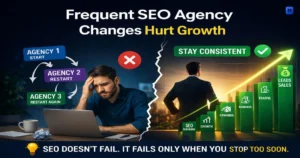
Learning the basics helps, but watching tutorials does not replace real execution experience. Once you hire an SEO expert, trust the SEO strategy enough to let it work. Constant interruptions or frequent SEO strategy changes can hurt long-term growth, especially before a strategy has enough time to mature.
In my experience, businesses get the best SEO outcomes when they stay patient, trust the process, and improve steadily over time.
Final Thoughts
In my experience, the reason SEO helps businesses grow so effectively is that it builds visibility, trust, and lead generation together. Businesses that invest in SEO early often gain an advantage that compounds for years.
However, SEO only works when approached with patience and consistency. I have seen businesses get excellent results from SEO, but only when they treat it as a long-term growth strategy rather than a quick-win tactic.
If you want to understand your website’s SEO growth potential, feel free to get in touch. I can assess your current visibility, identify growth gaps, and explain what may be holding your rankings back.
FAQs About How SEO Helps Businesses Grow
SEO helps generate leads by bringing your business in front of people who already search for your products or services. Because this traffic comes with existing intent, it usually converts better than cold traffic from interruption-based marketing.
A common SEO example is optimizing a service page around a keyword your customers search for, such as “SEO consultant in Delhi.” This includes improving content, headings, page structure, internal links, and technical SEO so search engines understand when to rank the page.
In my experience, most businesses begin seeing meaningful SEO movement within three to six months. However, highly competitive industries and weaker websites often take longer.
Yes, SEO can help small businesses grow significantly by increasing visibility in local and niche searches. It allows smaller brands to compete without relying entirely on large advertising budgets.
Yes, SEO still works because AI search systems rely heavily on trusted, optimized web content. That is why many businesses now invest in AI search optimization to stay visible in AI-driven search experiences. In fact, strong SEO now helps businesses appear in AI Overviews, voice search, and other modern search experiences.
Most businesses fail with SEO because they target the wrong keywords, expect instant results, follow a poor strategy, or stop too early. In my experience, SEO usually fails because of execution issues rather than the channel itself.